What is The Best Glass for Soundproof Windows?
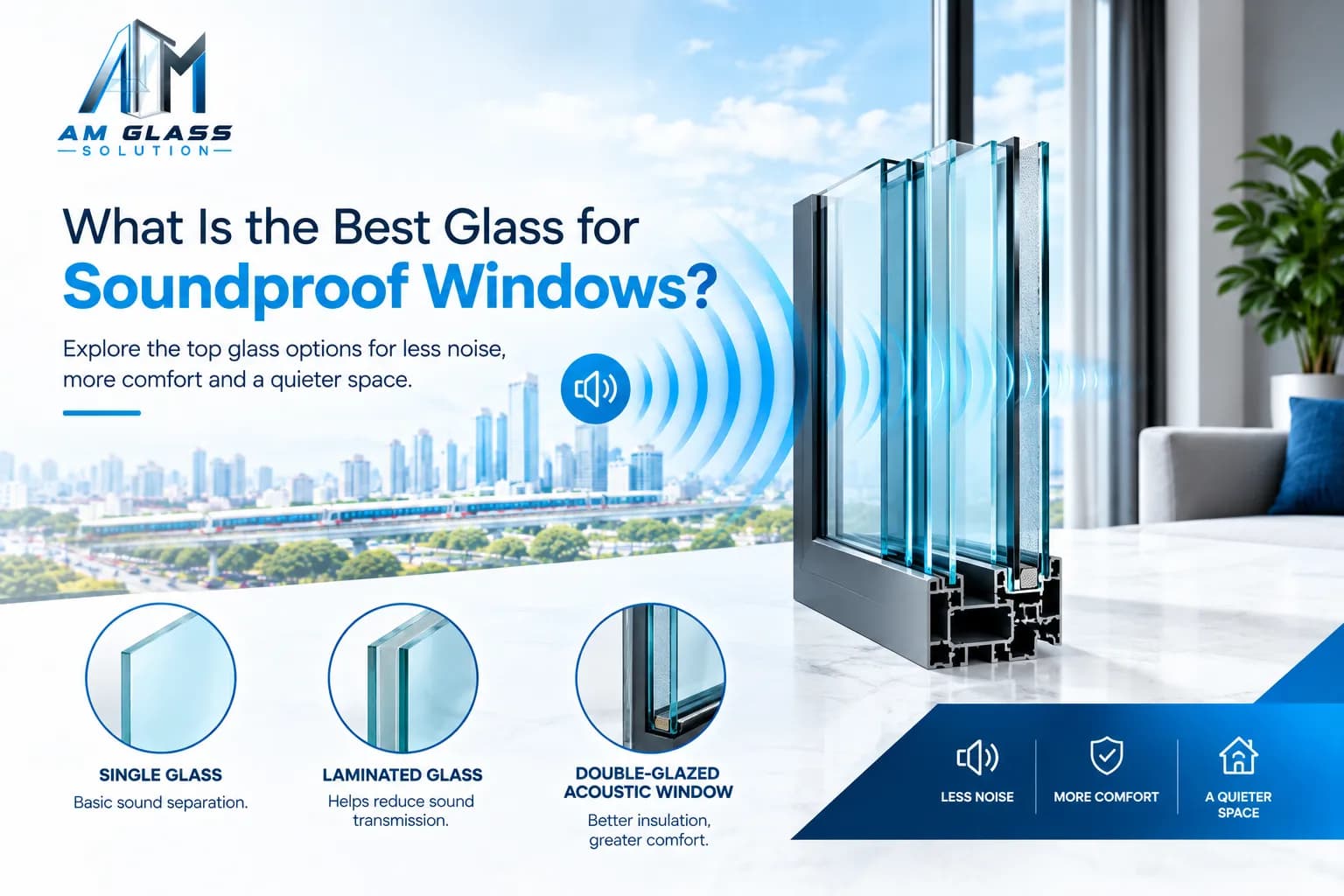
Choosing the right glass is one of the most important decisions when improving window sound insulation.
However, there is no single glass type that is automatically the best for every property. The right option depends on the noise source, existing window system, available space and required level of noise reduction.
For Singapore homes and offices, options such as laminated glass, acoustic laminated glass and double-glazed configurations may be considered depending on the application.
━━━━━━━━━━━━━━━━━━━━━━━━━━━━━━━━━━
ACOUSTIC LAMINATED GLASS
Acoustic laminated glass is specifically designed to help reduce sound transmission.
It consists of glass layers bonded together with an interlayer. The interlayer can help damp vibrations as sound reaches the glass.
This makes acoustic laminated glass a consideration for properties affected by:
• Traffic noise
• MRT noise
• Construction noise
• General city noise
• Neighborhood noise
The exact performance depends on the complete window system rather than the glass alone.
━━━━━━━━━━━━━━━━━━━━━━━━━━━━━━━━━━
LAMINATED GLASS
Laminated glass can also be useful for noise reduction.
It is made by bonding two or more glass layers with an interlayer. Besides its other functional benefits, this construction can help reduce sound transmission compared with some conventional single-glazed configurations.
For projects where noise reduction is important, the glass thickness and interlayer should be considered together with the frame and installation.
━━━━━━━━━━━━━━━━━━━━━━━━━━━━━━━━━━
DOUBLE-GLAZED WINDOWS
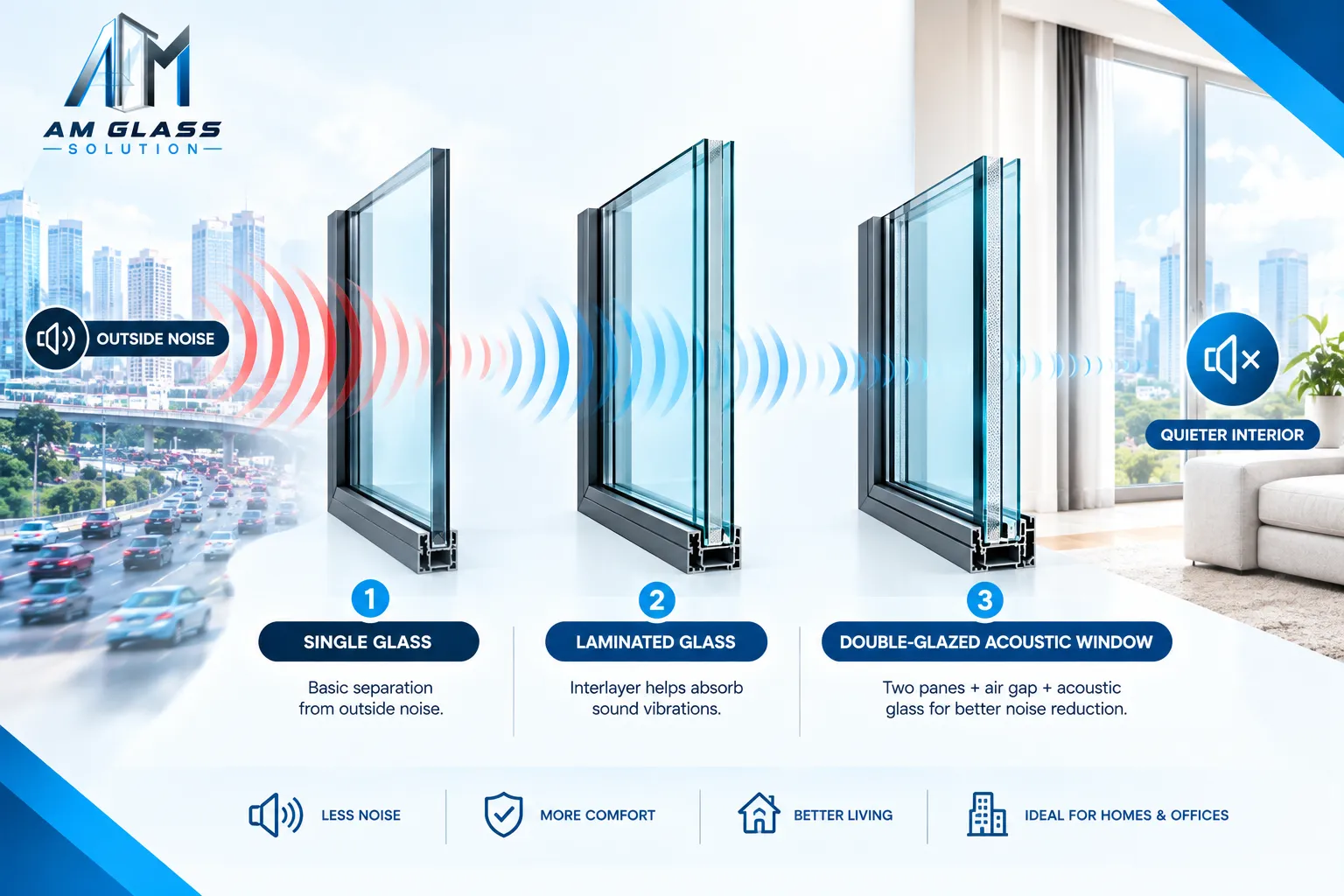
Double glazing uses two glass panes separated by an air or gas-filled space.
The space between the panes creates an additional barrier between the outside and inside.
However, simply choosing double glazing does not automatically mean maximum sound insulation. Performance depends on factors such as:
• Glass thickness
• Pane configuration
• Air gap
• Frame design
• Sealing
• Installation
This is why a properly specified double-glazed system can be more important than simply choosing two panes of glass.
ACOUSTIC GLASS VS STANDARD GLASS
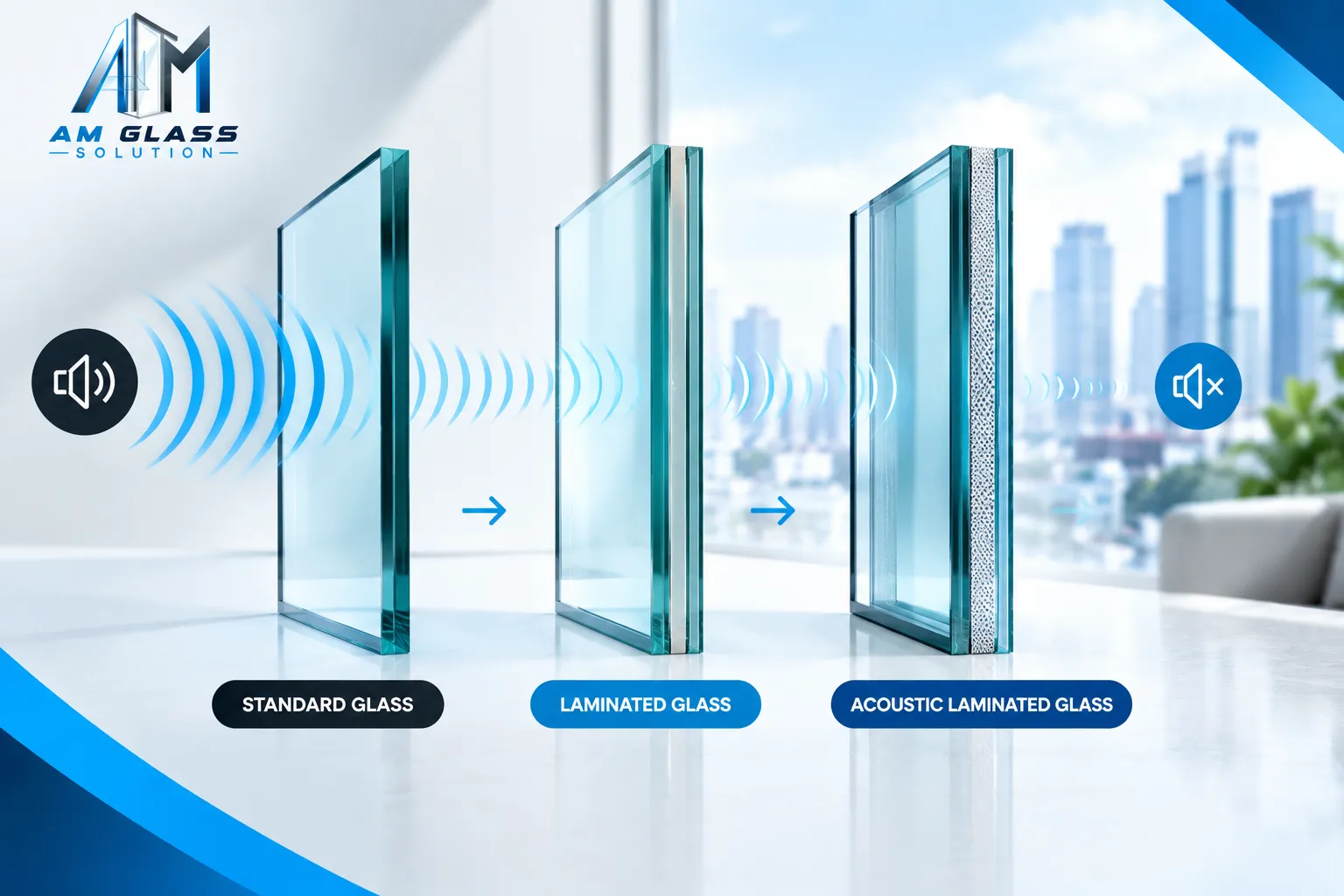
Standard glass may provide basic separation between the interior and exterior, but acoustic glass is designed with sound reduction in mind.
For a property exposed to significant external noise, acoustic glazing may be considered instead of relying only on conventional glass.
The most suitable option should be selected according to the actual noise problem and existing window structure.
━━━━━━━━━━━━━━━━━━━━━━━━━━━━━━━━━━
WHICH GLASS IS BEST FOR TRAFFIC NOISE?
For traffic-related noise, acoustic laminated glass can be considered as part of a suitable window system.
However, traffic produces different sound frequencies, and the final result depends on more than the glass.
The frame, seals, installation and surrounding building structure can also influence how much noise reaches the interior.
━━━━━━━━━━━━━━━━━━━━━━━━━━━━━━━━━━
WHICH GLASS IS BEST FOR MRT NOISE?
MRT noise can include both airborne sound and vibration-related effects.
A suitable acoustic glazing configuration may help reduce airborne noise, but the appropriate solution depends on the property's location, existing windows and specific noise characteristics.
A professional assessment is useful before selecting the glass specification.
━━━━━━━━━━━━━━━━━━━━━━━━━━━━━━━━━━
GLASS THICKNESS MATTERS
Glass thickness can influence acoustic performance, but thicker does not automatically mean better in every situation.
Different glass thicknesses can respond differently to different sound frequencies.
This is why simply asking for the thickest available glass may not provide the most appropriate solution.
The glass should be selected as part of a complete window system.
━━━━━━━━━━━━━━━━━━━━━━━━━━━━━━━━━━
THE WINDOW FRAME IS ALSO IMPORTANT
Even excellent acoustic glass can lose performance when the surrounding frame allows sound leakage.
Potential weak points include:
• Gaps around the frame
• Poorly fitted seals
• Sliding tracks
• Frame joints
• Installation gaps
For this reason, improving sound insulation may require looking at the entire window, not just replacing the glass.
For related window and glass solutions, explore AM Glass Solution’s Glass Doors & Windows service.
CAN YOU REPLACE EXISTING GLASS WITH ACOUSTIC GLASS?
In some situations, existing windows may be suitable for a glass upgrade.
However, the existing frame, glass thickness, dimensions, hardware and overall condition should be checked first.
If the existing system is not suitable, a complete window replacement may be more appropriate.
For projects involving damaged or outdated glazing, see our Glass Replacement & Installation service.
HOW TO CHOOSE THE BEST GLASS FOR SOUNDPROOF WINDOWS
Before selecting a glass type, consider the following:
IDENTIFY THE NOISE SOURCE
Traffic, MRT, construction and general neighborhood noise can require different approaches.
CHECK THE EXISTING WINDOW
The current glass, frame and seals can affect the available options.
CONSIDER THE GLAZING CONFIGURATION
Laminated, acoustic laminated and double-glazed systems can have different characteristics.
LOOK AT THE COMPLETE SYSTEM
Glass alone cannot compensate for significant gaps or poor installation.
MATCH THE SOLUTION TO THE PROPERTY
An HDB flat, condo or commercial space may have different requirements.
IS THICKER GLASS ALWAYS BETTER FOR SOUNDPROOFING?
Not necessarily.
Glass thickness is only one factor affecting acoustic performance.
The glass construction, interlayer, glazing configuration, frame, seals and installation all contribute to the final result.
━━━━━━━━━━━━━━━━━━━━━━━━━━━━━━━━━━
FINAL THOUGHTS
So, what is the best glass for soundproof windows?
For many noise-reduction applications, acoustic laminated glass can be an important option. Laminated glass and double-glazed configurations may also be suitable depending on the project.
The key is not simply choosing the thickest glass. The complete window system should be assessed based on the noise source, existing window condition and required level of noise reduction.
If you are considering acoustic glass for doors or partitions, explore AM Glass Solution’s Soundproof Glass Doors & Partitions service.
FREQUENTLY ASKED QUESTIONS
WHAT IS THE BEST GLASS FOR SOUNDPROOF WINDOWS?
Acoustic laminated glass is one option to consider, but the best choice depends on the noise source and complete window configuration.
IS LAMINATED GLASS GOOD FOR SOUNDPROOFING?
Yes, laminated glass can help reduce sound transmission because of its bonded glass-and-interlayer construction.
IS ACOUSTIC GLASS BETTER THAN NORMAL GLASS?
Acoustic glass is specifically designed to improve sound reduction, but its effectiveness depends on the complete window system.
IS DOUBLE GLAZING GOOD FOR SOUNDPROOFING?
Double glazing can help reduce noise by creating separation between two glass panes, although the final performance depends on the complete configuration.
IS THICKER GLASS BETTER FOR NOISE REDUCTION?
Thickness can affect acoustic performance, but thicker glass alone does not guarantee the best result.
CAN ACOUSTIC GLASS BE INSTALLED IN EXISTING WINDOWS?
It may be possible in some cases, but the existing frame and window structure should be assessed before selecting the glass.
CAN SOUNDPROOF GLASS COMPLETELY BLOCK OUTSIDE NOISE?
No window can guarantee complete silence. The objective is to reduce unwanted sound to a more comfortable level.